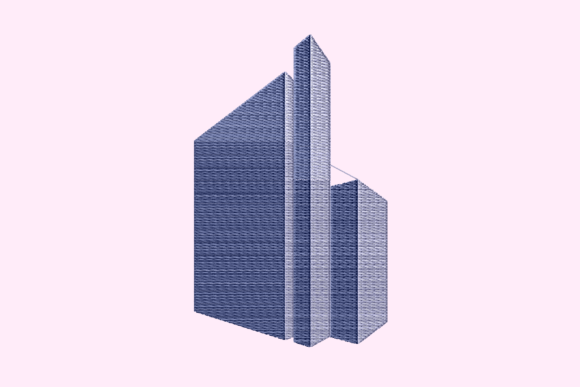
Cube 3D: A Modern Geometric Spark for Handmade Gifts
As an embroidery designer who’s stitched thousands of personalized gifts—from baby blankets stitched at midnight to wedding towel sets delivered with handwritten notes—I approached Cube 3D with quiet curiosity. Not another generic shape, but a *3D cube* rendered in thread? My first impression was immediate: clean, confident, and quietly sophisticated. It doesn’t shout—it invites. There’s a softness in its geometry, a handmade charm that avoids cold digital sterility. This isn’t just a shape; it’s a modern signature—elegant enough for a monogrammed nursery pillow, playful enough for a toddler’s tote bag, and timeless enough to become a family keepsake.
Cube 3D lives beautifully in the Intricate Cuts category—not because it’s fussy, but because it balances precision with approachability. The lines are crisp, the angles intentional, and the dimensionality achieved through subtle shading and stitch direction rather than overwhelming density. That’s key: this machine embroidery design delivers visual impact without sacrificing wearability or washability. Whether you’re stitching for a newborn’s organic cotton blanket or a linen wedding towel, Cube 3D adds structure and meaning without compromising fabric drape or comfort.
For baby embroidery, Cube 3D shines as a gender-neutral, milestone-friendly motif. Imagine it centered on a muslin swaddle, stitched in ivory and oatmeal threads—minimal, meaningful, and deeply tactile. On a quilted receiving blanket? It grounds the design with quiet confidence. For wedding gifts, pair it with a couple’s initials or wedding date in a clean sans-serif font nearby (not included, but easy to layer), and you’ve got a custom heirloom towel set or pillow cover that feels curated, not mass-produced. Etsy sellers will appreciate how effortlessly Cube 3D elevates a simple cotton apron or canvas tote into a premium small shop product—especially when photographed against natural light and textured backdrops.
It’s also a quiet hero for nursery decor: stitched onto a wooden growth chart sleeve, a felt wall hanging, or even a custom gift box lid, Cube 3D adds architectural warmth without clutter. And for holiday keepsakes or personalized home decor? Think embroidered stockings, linen napkins, or framed hoop art—each piece carrying that same calm, modern presence. Because it’s abstract yet recognizable, Cube 3D invites interpretation: is it a building block? A memory box? A symbol of stability? That emotional resonance deepens the handmade product’s story—and strengthens buyer engagement.
Now, let’s talk practicality—the part that separates beautiful designs from truly usable ones. Cube 3D performs well across common gift fabrics, but success hinges on thoughtful prep. On textured towels, I recommend a medium-weight cutaway stabilizer underneath and a light tear-away on top to keep the surface smooth and prevent skipped stitches in the tighter corners. For stretchy baby clothes or knits, fuse a lightweight cutaway first—don’t skip this step. On dark fabric, test your thread colors thoroughly: high-contrast combos (like pale gold on navy or heather grey on charcoal) make the 3D illusion pop, while tonal stitching creates subtle sophistication. Always create a test stitch-out before committing to your final piece—especially to check how the smallest facets hold up on your specific fabric and machine.
Stitch density is moderate—not sparse, not overwhelming—so it holds up beautifully on midweight cottons, linens, and stable blends. But avoid ultra-thick blankets or heavily napped fleece unless you reduce density manually (if your software allows) or add extra stabilizer layers. And yes—check the hoop size listed on Creative Fabrica before starting. Cube 3D’s clean footprint usually fits comfortably in a 5x7” hoop, but verify. Also, review the product details carefully: confirm file formats included (PES, DST, JEF, etc.), and always double-check licensing terms if you plan to sell finished products commercially. Creative Fabrica clearly labels usage rights, and respecting those ensures long-term trust with both platforms and customers.
What makes Cube 3D special isn’t just its look—it’s how it affects perception. A customer receiving a towel with Cube 3D stitched neatly in the corner doesn’t just see decoration; they feel intention. They sense care in the placement, respect for the material, and pride in craftsmanship. That perceived quality translates directly to higher perceived value, better product photography (clean lines photograph crisply), stronger giftability (“I had this made just for you”), and deeper emotional connection. For small business owners and Etsy sellers, that intangible lift matters—it turns a functional item into a memorable experience.
Pair Cube 3D thoughtfully, and it becomes even more powerful. Use it alongside minimalist text embroidery for custom gift boxes, or combine it with simple botanical motifs for a balanced nursery collection. It works equally well solo—centered on a pillow cover—or repeated in a subtle grid on a table runner. As a printable mockup element, it adds instant credibility to digital listings, signaling professionalism and design cohesion. And for craft fair vendors? Display a few stitched samples on varied fabrics—towel, linen, canvas—and watch how often shoppers pause, tilt their heads, and ask, “Is that hand-done?” (Spoiler: it’s machine embroidery, but it *feels* hand-crafted.)
One last note: Cube 3D doesn’t demand perfection—but it rewards attention. Take time to match thread colors to your vision, choose stabilizer based on fabric behavior (not habit), and treat each stitch-out as a conversation between design and material. When you do, Cube 3D delivers more than geometry—it delivers presence. Calm, contemporary, and quietly unforgettable.
- Always test Cube 3D on fabric identical to your final project
- Compare thread color options under natural and indoor light
- Confirm hoop size and file compatibility before stitching
- Use appropriate stabilizer—cutaway for stretch, tear-away for stable weaves
- Review licensing on Creative Fabrica before selling finished products
- Check stitch density in your embroidery software—if adjustable—to suit fabric weight